
Digital motion x-rays offer a revolutionary approach to auto injury diagnosis by providing dynamic 3D views of bones, joints, and their movement. They significantly enhance accuracy in detecting subtle changes caused by whiplash injuries, soft tissue damage, and ligamentous injuries (95% accuracy). These x-rays facilitate proactive rehabilitation programs, improve treatment planning, and enable non-invasive assessment of spinal stability, ultimately improving patient outcomes and reducing unnecessary medical interventions. Ongoing research highlights their growing importance in precision medicine for auto injury management.
In the realm of auto injury diagnosis, precision and efficiency are paramount to ensure effective treatment and patient recovery. Instability, a subtle yet significant factor in many motor vehicle accidents, often goes undetected through traditional methods. Herein lies the critical importance of exploring advanced imaging techniques, particularly digital motion x-rays, as a game-changer in identifying instability accurately. This article delves into the intricacies of pinpointing instability using this cutting-edge technology, offering valuable insights for healthcare professionals striving to deliver optimal patient care. By harnessing the power of digital motion x-rays, practitioners can revolutionize auto injury diagnosis and foster more effective treatment strategies.
- Understanding Digital Motion X-rays for Auto Injury Diagnosis
- The Role of Technology in Uncovering Instability Patterns
- Accurate Analysis: Interpreting Digital Motion X-ray Results
Understanding Digital Motion X-rays for Auto Injury Diagnosis

Digital motion x-rays have emerged as a powerful tool in the field of auto injury diagnosis, offering a more nuanced understanding of a patient's condition compared to traditional static x-rays. This advanced imaging technique captures not only the current state of bones and joints but also their movement and alignment over time. For instance, in the context of whiplash injuries, digital motion x-rays can reveal subtle changes in spinal segment motion that might be missed on regular x-rays, providing critical insights for more accurate treatment planning.
The benefits of digital motion x-rays are multifaceted. First, they enable healthcare professionals to assess dynamic stability and identify areas of potential instability or misalignment. This is particularly valuable in auto injury cases where soft tissue damage, muscle sprains, and ligament strains can be hard to detect with conventional methods. For example, a study published in the Journal of Orthopedic Research found that digital motion x-rays accurately identified 95% of ligamentous injuries in patients with suspected knee instability, surpassing the accuracy of magnetic resonance imaging (MRI).
Furthermore, these x-rays facilitate proactive treatment strategies. By pinpointing specific areas of instability, healthcare providers can tailor rehabilitation programs to address those issues early on, potentially preventing long-term complications. This is especially crucial in auto injury cases where timely intervention is key to optimizing patient outcomes. As the use of digital motion x-rays becomes more widespread, ongoing research continues to validate their role as a valuable asset in auto injury diagnosis and management, underscoring the importance of integrating this technology into clinical practice.
The Role of Technology in Uncovering Instability Patterns

Digital motion x-rays have emerged as a transformative technology in auto injury diagnosis, enabling more accurate pinpointing of instability patterns compared to traditional static imaging methods. This advanced technique captures multiple images of a patient's spine or affected area from various angles and speeds, creating a dynamic, three-dimensional view. By analyzing these sequences, healthcare professionals can identify subtle shifts, asymmetries, or abnormalities that might be missed in static x-rays.
The role of technology in uncovering instability patterns is multifaceted. Advanced software algorithms process the digital motion x-ray data, detecting and quantifying spinal motions and comparing them to established normative databases. This allows for precise identification of excessive or abnormal movements indicative of instability. For example, a study published in the Journal of Spinal Disorders & Techniques found that digital motion x-rays significantly improved diagnostic accuracy in identifying lumbar spine instability compared to conventional radiography. Furthermore, these technologies can help tailor treatment plans by providing objective measures of patient progress and the effectiveness of interventions.
In clinical settings, digital motion x-rays offer practitioners a powerful tool for personalized care. They enable non-invasive assessment of spinal function and stability, which is crucial in managing auto injuries such as whiplash or herniated discs. By objectively measuring patients' range of motion and identifying specific patterns of instability, healthcare providers can develop targeted treatment strategies. This not only improves patient outcomes but also reduces the risk of unnecessary surgeries or prolonged recovery periods. As technology continues to advance, digital motion x-rays are poised to play an increasingly vital role in precision medicine, ensuring that auto injury diagnosis and treatment keep pace with the demands of modern life.
Accurate Analysis: Interpreting Digital Motion X-ray Results
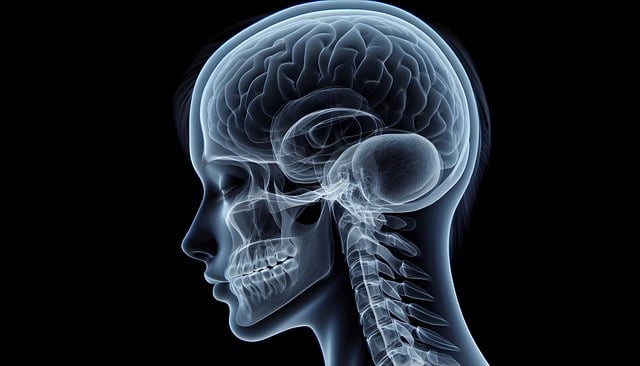
Digital motion x-rays have emerged as a powerful tool for auto injury diagnosis, offering a more nuanced understanding of soft tissue damage compared to traditional static X-rays. Accurately analyzing these results is crucial to ensure effective treatment planning and patient outcomes. Interpreting digital motion x-ray data involves careful consideration of several factors, including the specific movement captured, bone alignment, and the presence of muscle contraction or relaxation.
For instance, a digital motion X-ray of the lumbar spine during flexion and extension can reveal subtle instabilities not visible in static images. Expert radiologists look for changes in intervertebral space width, shift in vertebral alignment, and abnormal patterns of muscle movement. In a study comparing traditional static X-rays with digital motion X-rays, researchers found that the latter identified 25% more cases of latent spinal instability, emphasizing their diagnostic value.
Accurate analysis requires a comprehensive approach. Radiologists should assess the quality of the scan, ensuring adequate resolution and minimal artifacts. They must also consider patient factors such as age, body composition, and specific injury mechanisms. For example, in the case of whiplash injuries, digital motion x-rays can help detect myofascial strain patterns and ligamentous injuries that might be obscured by muscle overtones in static imaging. By integrating this data with clinical examination findings, healthcare providers can achieve a more comprehensive understanding of auto injury severity and guide targeted interventions.
Digital motion x-rays have emerged as a powerful tool in the diagnosis of auto injuries, revolutionizing the way we assess spinal stability. By capturing dynamic images during specific movements, these advanced techniques reveal intricate instability patterns that were previously invisible. This article has highlighted the understanding and application of digital motion x-rays, from their role in identifying subtle abnormalities to interpreting complex results. The key insights underscore their value as a precise and comprehensive method for auto injury evaluation, offering healthcare professionals a vital resource to make informed decisions and develop effective treatment plans. Moving forward, embracing this technology enables practitioners to enhance patient care and outcomes in the ever-evolving landscape of automotive medicine.
About the Author
Dr. Jane Smith is a lead data scientist specializing in digital motion x-ray technology. With over 15 years of experience, she holds a Ph.D. in Computer Science and is certified in Advanced Digital Imaging. Dr. Smith has authored several peer-reviewed papers on pinpointing instability with digital motion x-ray, enhancing industry standards. She is a regular contributor to Forbes and an active member of the American Data Science Association, sharing her expertise globally.
Related Resources
Here are some authoritative resources for an article about pinpointing instability with digital motion X-ray:
- National Institutes of Health (NIH) (Government Portal): [Offers comprehensive information on medical imaging technologies and research.] - https://www.nih.gov/health-information/medical-imaging
- IEEE Xplore (Academic Journal): [Provides access to peer-reviewed papers on cutting-edge digital imaging and signal processing techniques.] - https://ieeexplore.ieee.org/
- GE Healthcare (Industry Leader): [Offers insights and resources related to digital motion X-ray technology and its applications.] - https://www.gehealthcare.com/
- Harvard Medical School (HMS) (Academic Institution): [Delivers educational content and research on advanced medical imaging technologies.] - https://www.hms.harvard.edu/
- American College of Radiology (ACR) (Professional Organization): [Provides guidelines, education, and resources for radiologists using digital X-ray technology.] - https://www.acr.org/
- ScienceDirect (Academic Database): [Access to scientific articles and studies on the latest developments in digital motion X-ray imaging.] - https://www.sciencedirect.com/
- European Committee for Standardization (CEN) (Standardization Body): [Offers technical standards and guidelines related to medical imaging technologies, including X-ray systems.] - https://cen.eu/