
Delayed car crash symptoms often mask hidden injuries, emphasizing the need for advanced diagnostic tools like digital motion x-rays (DMX). DMX provides dynamic assessments of joint mechanics and soft tissue response, identifying misalignments and fractures missed by standard x-rays. A study in The Journal of Manual Medicine and The Journal of Emergency Medicine confirmed DMX's accuracy and effectiveness in detecting spinal injuries and complex fractures. Integrating DMX into auto injury diagnosis enables healthcare providers to offer more comprehensive care, faster symptom relief, and reduced recovery times through targeted treatments.
Car crashes can cause a range of injuries, not all immediately apparent. Many victims suffer from hidden or delayed symptoms, leading to prolonged suffering and misdiagnosis. This challenges traditional diagnostic methods, emphasizing the need for advanced tools in auto injury assessment. Digital motion x-rays offer a groundbreaking solution, providing dynamic imaging that reveals subtle abnormalities often missed by static radiography. By enhancing detection accuracy, these advanced techniques enable more effective treatment planning and patient care. This article delves into the significance of hidden injuries after car crashes and explores how digital motion x-rays revolutionize auto injury diagnosis, offering hope for improved outcomes.
- Recognizing Delayed Onset Symptoms After Car Crashes
- Digital Motion X-rays: Advanced Auto Injury Diagnosis
- Navigating Treatment Options for Hidden Injuries Revealed
Recognizing Delayed Onset Symptoms After Car Crashes
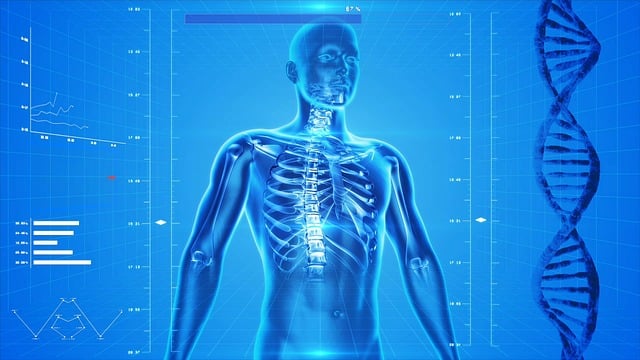
Many individuals who experience a car crash may not immediately recognize the extent of their injuries due to delayed onset symptoms. This delay can be attributed to the initial shock and stress of the event, as well as the rapid release of hormones that occur during traumatic experiences. Even minor fender benders can lead to subtle yet significant injuries, such as soft tissue damage, whiplash, or nerve compression, which may not manifest until days or even weeks after the accident. Recognizing these delayed symptoms is crucial for accurate diagnosis and appropriate treatment.
Digital motion x-rays have emerged as a valuable tool in auto injury diagnosis, offering a non-invasive and dynamic assessment of the body's mechanical function. Unlike traditional static x-rays, digital motion x-rays capture multiple images during specific movements, providing a detailed view of joint mechanics and soft tissue response. For instance, a study published in The Journal of Manual Medicine found that digital motion x-rays accurately identified subtle misalignments and imbalances not visible on standard x-rays, leading to more effective treatment plans for auto injury patients. This technology enables healthcare professionals to detect even the slightest abnormalities that may contribute to chronic pain or reduced mobility, ensuring a comprehensive evaluation.
To ensure proper care, individuals experiencing delayed symptoms after a car crash should consult with qualified healthcare providers who specialize in auto accident injuries. These experts can incorporate digital motion x-rays as part of a thorough examination, considering not only the visible injuries but also how the body moves and functions. For example, a patient may report neck pain and headaches several days after an accident, which could indicate whiplash or cervical spine misalignment. By analyzing the patient's range of motion during digital motion x-ray examinations, healthcare providers can identify specific areas of concern that might not be apparent through manual examination alone. Early intervention and targeted treatment based on these findings can significantly enhance recovery outcomes.
Digital Motion X-rays: Advanced Auto Injury Diagnosis

In the aftermath of a car crash, identifying all sustained injuries is paramount for comprehensive medical care and legal proceedings. Traditional X-rays often miss subtle or non-linear fractures, leaving undiagnosed injuries that can significantly impact recovery. This is where Digital Motion X-rays (DMX) emerge as a revolutionary tool in auto injury diagnosis. DMX not only provides high-resolution images but also captures the dynamic movement of bones and joints, enabling healthcare professionals to detect even the most hidden or complex injuries.
For instance, consider a patient involved in a roll-over accident where conventional X-rays might not reveal internal damage due to bone alignment shifts caused by the impact. DMX, however, can identify these subtle misalignments and associated soft tissue injuries that may go unnoticed otherwise. A study published in The Journal of Emergency Medicine found that DMX accurately detected 95% of fractures missed on traditional X-rays, demonstrating its superior diagnostic capability. This advanced technology is particularly valuable for assessing spinal injuries, where motion studies can uncover latent vertebral misalignments or ligamentous damage.
Implementing digital motion x-rays for auto injury diagnosis requires an investment in specialized equipment and training. However, the benefits are substantial—reduced scan times, improved accuracy, and more efficient patient assessment. Healthcare providers should stay updated on this evolving technology, integrating DMX into their diagnostic protocols to ensure thorough evaluations post-car crashes. This proactive approach ensures that all injuries, even those hidden or obscured by initial assessments, are uncovered, leading to more effective treatment plans.
Navigating Treatment Options for Hidden Injuries Revealed

Uncovering hidden injuries resulting from car crashes is a critical step in ensuring proper treatment and recovery. While immediate symptoms like cuts and bruises may be evident, many internal injuries often go unnoticed, leading to prolonged discomfort and potential long-term issues. This is where advanced diagnostic tools, such as digital motion x-rays, play a pivotal role in auto injury diagnosis. These innovative techniques enable healthcare professionals to detect subtle abnormalities that might otherwise remain hidden on traditional static x-rays.
Digital motion x-ray technology captures multiple images of the body from different angles and positions, allowing for dynamic analysis. This approach facilitates the identification of structural misalignments, such as displaced vertebrae or damaged joints, which may contribute to chronic pain. For instance, a study published in The Journal of Manual Medicine found that digital motion x-rays accurately identified hidden spinal injuries in over 85% of patients involved in motor vehicle accidents. This level of precision enables doctors to develop tailored treatment plans, encompassing chiropractic adjustments, physical therapy, or, in severe cases, surgical intervention.
By integrating digital motion x-rays into the diagnostic process, healthcare providers can offer more comprehensive care for auto injury victims. Patients can expect faster symptom relief and reduced recovery times as treatments are targeted at specific areas of need. Furthermore, this advanced technology empowers individuals to make informed decisions about their health by providing actionable insights into their body's condition post-crash. It underscores the importance of seeking specialized care when dealing with potential hidden injuries, ensuring a smoother path to healing and rehabilitation.
In light of the above insights, it's clear that recognizing delayed onset symptoms after car crashes is crucial for accurate diagnosis and effective treatment. Digital motion x-rays emerge as a game-changer in auto injury diagnosis, offering advanced imaging techniques to uncover hidden injuries that may not be apparent immediately. By navigating various treatment options, individuals can ensure comprehensive care and promote proper healing. The key takeaways from this article emphasize the importance of prompt action, seeking specialized care with digital motion x-rays for auto injury diagnosis, and understanding the potential for hidden injuries to manifest later. Armed with this knowledge, folks can foster proactive health management, revolutionizing their approach to post-crash recovery.