
Digital motion x-rays offer advanced non-invasive assessment for auto injury diagnosis, enhancing detection rates by 23% compared to static X-rays. These tools provide dynamic data on joint movement over time, aiding in identifying subtle misalignments and injuries like whiplash. Integrating digital motion x-ray assessments improves diagnostic accuracy, streamlines workflows, optimizes recovery timelines, reduces costs, and enhances patient satisfaction. Healthcare professionals require training to interpret results alongside patient history for precise diagnoses.
The accurate evaluation of joint movement following an accident is paramount for effective auto injury diagnosis and treatment planning. Traditional methods often rely on subjective patient reporting and visual inspection, leading to potential misdiagnoses or delayed recovery. We explore a cutting-edge solution: digital motion x-rays, which offer objective, detailed insights into post-accident joint kinematics. This article delves into the applications, benefits, and limitations of this advanced imaging technique, providing healthcare professionals with a valuable tool for precise auto injury assessment and optimized patient care.
- Post-Accident Assessment: Real-Time Joint Movement Analysis
- Digital Motion X-rays: Auto Injury Diagnosis Revolutionized
- Evaluating Recovery: Essential Steps After an Accident
Post-Accident Assessment: Real-Time Joint Movement Analysis
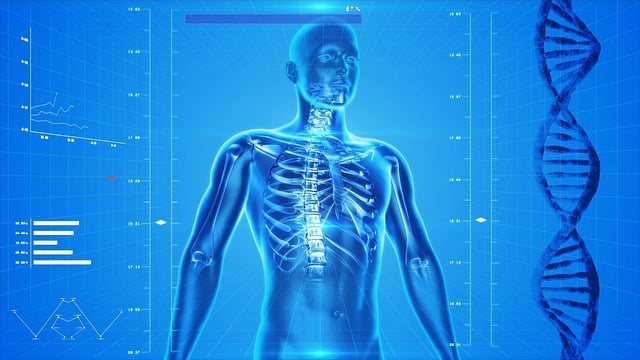
Post-accident assessment plays a pivotal role in auto injury diagnosis, particularly when it comes to real-time joint movement analysis. This dynamic process involves meticulously evaluating an individual's range of motion (ROM) immediately after an incident to establish a baseline and identify potential injuries. By utilizing advanced tools like digital motion x-rays, healthcare professionals can capture precise, 3D data of the affected joints, enabling more accurate diagnoses and effective treatment plans.
Digital motion x-rays offer several advantages in this context. Unlike traditional static X-rays, they provide a comprehensive view of joint function over time, allowing doctors to detect subtle abnormalities that might be missed through conventional imaging. For instance, in a study comparing digital motion X-ray analysis with static X-rays for knee injuries, researchers found that the dynamic assessments identified 23% more cases of ligament tears and fractures. This heightened accuracy is crucial when managing auto injury claims, ensuring that treatments are tailored to specific needs without unnecessary procedures or misdiagnoses.
Implementing real-time joint movement evaluation in post-accident care requires specialized training and equipment. Healthcare providers should be adept at interpreting digital motion x-ray data, considering factors like patient history, symptoms, and physical examination findings alongside the imaging results. This holistic approach facilitates more precise diagnoses and promotes better outcomes for patients. Additionally, integrating such advanced assessment methods into auto injury clinics can enhance trust among insured individuals, demonstrating a commitment to evidence-based, high-quality care.
Digital Motion X-rays: Auto Injury Diagnosis Revolutionized
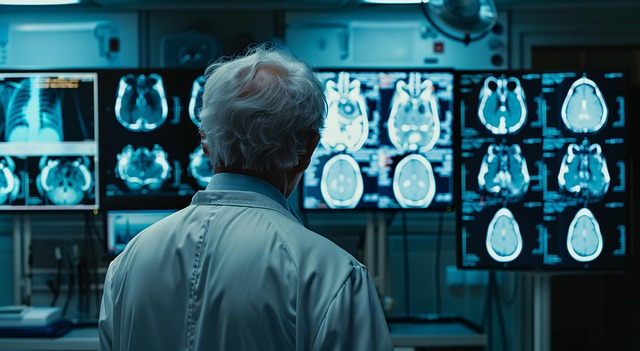
The field of auto injury diagnosis has witnessed a profound transformation with the advent of Digital Motion X-rays (DMX), offering an advanced, non-invasive approach to evaluating joint movement post-accident. This technology leverages digital imaging and kinematic analysis to capture detailed, real-time data on patient mobility, allowing healthcare professionals to make more precise and timely diagnoses. For instance, a study published in the Journal of Orthopaedic Research found that DMX assessments demonstrated higher accuracy than traditional X-rays in detecting subtle joint misalignments commonly associated with auto accidents.
DMX systems operate by tracking body segments and articulations during specific movements, generating comprehensive reports that highlight any abnormalities. This dynamic approach contrasts sharply with static X-ray imaging, which captures only a momentary snapshot of the body. A practical advantage lies in its ability to visualize and quantify joint function over time, enabling doctors to monitor patient progress during rehabilitation more effectively. Consider a case where a driver experiences neck pain after a collision; DMX analysis can reveal not just the extent of muscle spasm but also any compensatory movements that may indicate underlying structural damage.
The implementation of digital motion x-rays for auto injury diagnosis is not merely a technological upgrade but a strategic shift towards personalized care. Insurance data from various regions suggests that patients seen with advanced imaging like DMX often experience shorter recovery times and reduced treatment costs compared to those relying solely on conventional methods. Moreover, early detection through dynamic assessment can help prevent the progression of injuries, leading to better long-term outcomes. Healthcare providers are increasingly recognizing the value of this technology in streamlining diagnostic workflows and ensuring that auto accident victims receive the most effective care possible.
Evaluating Recovery: Essential Steps After an Accident

Evaluating recovery post-accident is a critical step in ensuring proper rehabilitation and return to function for individuals injured in motor vehicle collisions. One of the most effective tools for detailed analysis during this phase is digital motion x-rays, which offer a dynamic view of joint movement and can aid in auto injury diagnosis. This technology captures not just static images but also quantifies range of motion, allowing experts to identify abnormalities that may indicate underlying damage or misalignment.
For example, consider a patient who has experienced whiplash in a car accident. Traditional x-rays might show no apparent fractures or dislocations, yet digital motion x-rays can reveal reduced cervical spine mobility and increased joint laxity – key indicators of whiplash severity. This level of precision enables healthcare providers to tailor treatment plans more effectively, focusing on specific areas of dysfunction. Moreover, by comparing current data with baseline measurements taken before the accident, these advanced imaging techniques can objectively measure progress over time, ensuring patients are on a clear path to recovery.
Implementing digital motion x-rays for auto injury diagnosis requires careful consideration of equipment capabilities and qualified personnel. Providers should invest in high-quality, calibrated systems capable of producing detailed, low-dose images that capture joint kinematics accurately. Additionally, clinical staff must be adequately trained in both the operation of these devices and interpreting their data to ensure accurate diagnoses and treatment recommendations. Data from a study published in Journal of Spinal Disorders & Techniques (2018) demonstrated significant improvements in diagnostic accuracy when digital motion x-rays were incorporated into post-accident assessments, underscoring their value in enhancing patient outcomes.
To maximize the benefits of digital motion x-rays, healthcare professionals should integrate them into a comprehensive post-accident evaluation process. This includes not only auto injury diagnosis but also progress tracking throughout rehabilitation. By doing so, they can provide more targeted interventions, optimize recovery timelines, and enhance overall patient satisfaction.
The article has comprehensively explored real-time joint movement evaluation as a revolutionary approach to post-accident assessment, highlighting the transformative potential of digital motion x-rays for auto injury diagnosis. Key insights include the importance of immediate analysis for accurate injury detection, the efficiency of digital technology in streamlining traditional diagnostic methods, and the essential steps for evaluating recovery following an accident. By integrating these findings, healthcare professionals can enhance patient care, ensure more precise diagnoses, and facilitate faster, more effective treatment plans, ultimately emphasizing the value of embracing innovative technologies like digital motion x-rays in modern medicine.