
"In today's digital era, advancements in technology are reshaping the way we approach auto injury treatment. This article explores the groundbreaking role of Digital Motion X-rays (DMX) in revolutionizing the diagnosis process. We delve into how DMX provides real-time joint movement evaluation post-accident, offering unprecedented insights into auto injuries. By analyzing key metrics, healthcare professionals can enhance treatment plans, ensuring faster recovery for patients. Discover how this innovative technology is transforming the landscape of automotive medicine."
- Digital Motion X-rays: Revolutionizing Auto Injury Diagnosis
- Post-Accident Joint Movement Analysis: Key Insights
- Real-Time Data: Enhancing Treatment for Auto Injuries
Digital Motion X-rays: Revolutionizing Auto Injury Diagnosis
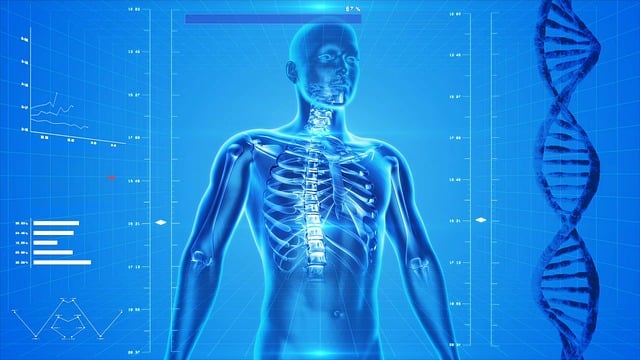
Digital Motion X-rays are transforming the way auto injury diagnoses are made, offering a revolutionary approach to detecting and assessing damage in real time. Unlike traditional static X-rays, which capture only a momentary snapshot, Digital Motion X-rays enable healthcare professionals to analyze joint movement and identify subtle abnormalities that might be missed by conventional methods. This technology captures high-speed sequences of images, allowing doctors to replay and assess the biomechanics of an accident in detail.
By providing dynamic insights into the body's mechanics, Digital Motion X-rays facilitate more accurate diagnoses for auto injury victims. They can help detect issues such as ligament sprains, muscle strains, or joint dislocations by tracking the movement and alignment of bones during a patient's natural range of motion. This advanced imaging technique promises faster treatment plans, improved patient outcomes, and reduced costs associated with lengthy diagnostic processes, making it an invaluable asset in modern healthcare.
Post-Accident Joint Movement Analysis: Key Insights

Post-accident joint movement analysis is a crucial aspect of auto injury diagnosis, offering key insights into the extent and nature of an individual's injuries. By employing advanced technologies such as digital motion x-rays, healthcare professionals can now capture and analyze detailed 3D images of the body's joints in real-time. This innovative approach facilitates more precise assessments of mobility, stability, and alignment, enabling doctors to make informed decisions about treatment plans and patient care.
These digital imaging techniques allow for a comprehensive evaluation of joint functionality, identifying areas of stiffness, instability, or misalignment that may have gone unnoticed through traditional methods. The ability to visualize and quantify these attributes is instrumental in developing targeted rehabilitation strategies and predicting patient outcomes. Moreover, real-time analysis empowers healthcare providers to make immediate adjustments to treatment protocols, ensuring optimal recovery for patients post-accident.
Real-Time Data: Enhancing Treatment for Auto Injuries

Digital motion X-rays have emerged as a game-changer in auto injury diagnosis, offering real-time joint movement evaluation post-accident. By providing detailed insights into the body's mechanics, these advanced imaging techniques enable healthcare professionals to tailor treatment plans more effectively. Real-time data from digital motion X-rays enhances the accuracy of assessments, ensuring patients receive prompt and personalized care for their auto injury concerns.