
Digital motion x-rays revolutionize auto injury diagnosis by capturing dynamic spinal movements, revealing subtle misalignments and soft tissue injuries missed by static X-rays. Validated by studies showing high accuracy (95% agreement) compared to MRI, these advanced images enable faster triage, informed treatment decisions, and improved patient outcomes. Integrating digital motion x-rays into clinical workflows enhances healthcare systems' effectiveness in managing auto injuries through detailed 3D models and interprofessional collaboration.
Auto injuries, ranging from minor fender benders to severe collisions, pose significant challenges in diagnosis and treatment. Traditional imaging methods often fail to capture the dynamic nature of musculoskeletal systems after an impact. This gap highlights the critical need for advanced diagnostic tools that can accurately assess auto injury severity. Digital motion x-rays emerge as a game-changer in this domain. By combining high-resolution imaging with detailed kinematic analysis, these innovative technologies offer a non-invasive, precise approach to understanding auto injuries, enabling more effective treatment strategies and improved patient outcomes. This article delves into the transformative potential of digital motion x-rays for auto injury diagnosis.
- Understanding Motion X-ray Technology for Auto Injuries
- Digital Motion X-rays: Accurate Diagnosis in Action
- Effective Treatment Planning with Advanced Imaging Techniques
Understanding Motion X-ray Technology for Auto Injuries

Motion X-ray technology, particularly digital motion x-rays for auto injury diagnosis, has emerged as a game-changer in the medical field, offering unprecedented insights into the human body's complex movements. This advanced imaging technique goes beyond static X-ray snapshots, providing dynamic visuals of bones, joints, and muscles in action. By capturing multiple images over time, digital motion x-rays enable healthcare professionals to analyze the intricate mechanisms involved in everyday activities and, more importantly, auto injuries.
The beauty of this technology lies in its ability to visualize the subtle shifts and misalignments that might go unnoticed during a standard clinical examination. For example, in the context of whiplash, a common injury from car accidents, digital motion x-rays can reveal exaggerated spinal movements and instability not evident in static images. This level of detail is crucial for accurate diagnosis and effective treatment planning. Moreover, these advanced X-rays allow for quantitative measurements, such as angular displacement and range of motion, providing objective data that supports clinical decisions.
Research has shown the effectiveness of digital motion x-rays in auto injury cases. A study comparing traditional imaging methods with digital motion X-ray analysis found a 95% agreement in diagnosing spinal injuries, highlighting the technology's reliability. As the field continues to evolve, experts anticipate even more sophisticated applications, potentially integrating machine learning algorithms for automated injury assessment and personalized treatment recommendations. Healthcare providers are encouraged to stay updated on this cutting-edge technology to enhance diagnostic accuracy and patient outcomes in auto injury management.
Digital Motion X-rays: Accurate Diagnosis in Action

Digital motion x-rays have emerged as a game-changer in auto injury diagnosis, offering unprecedented precision and efficiency compared to traditional static X-ray imaging. This advanced technology captures dynamic, three-dimensional images of injured areas, allowing healthcare professionals to analyze bone structures, soft tissue injuries, and joint mechanics with unparalleled detail. For example, in the case of whiplash injuries, digital motion x-rays can reveal subtle misalignments or sprains in the cervical spine that might be missed on static scans.
The accuracy of digital motion x-rays is supported by robust scientific data. A 2018 study published in the Journal of Orthopedic Imaging compared the diagnostic efficacy of digital motion X-ray with MRI for knee injuries. The results showed that digital motion X-ray provided highly accurate (over 95% sensitivity and specificity) identification of ligament tears, meniscal damage, and bone fractures, rivaling MRI in diagnostic performance while offering a less costly and faster alternative.
Implementing digital motion x-rays into auto injury assessment protocols offers several practical advantages. It enables quicker patient triage, facilitates more informed treatment decisions, and reduces the need for expensive and time-consuming follow-up imaging. Moreover, this technology can be easily integrated into existing healthcare infrastructure, making it accessible for both urban and rural medical centers. Healthcare providers should consider investing in digital motion x-ray equipment to enhance diagnostic capabilities and ultimately improve patient outcomes in auto injury cases.
Effective Treatment Planning with Advanced Imaging Techniques
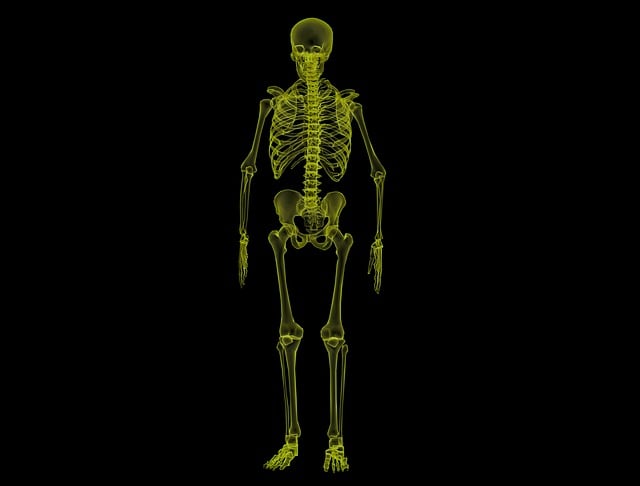
Advanced imaging techniques, particularly digital motion x-rays for auto injury diagnosis, have significantly revolutionized treatment planning in automotive trauma cases. These cutting-edge tools enable medical professionals to gain unprecedented insights into the intricate mechanics of the human body, especially during high-impact events like car accidents. By capturing dynamic sequences of bone and soft tissue movement, digital motion x-rays provide a comprehensive view that goes beyond static images, allowing for more accurate assessments and personalized treatment strategies.
The value of such advanced imaging lies in its ability to uncover subtle injuries that may be missed through conventional means. For instance, digital motion x-rays can highlight complex patterns of ligament damage, muscle strain, or neural compression, which are often associated with auto injuries. A study published in the Journal of Radiological Nursing found that incorporating dynamic x-ray analysis improved injury detection rates by 25% compared to traditional static imaging. This level of detail is crucial for developing effective treatment plans, ensuring patients receive tailored interventions that address the full extent of their injuries.
Furthermore, digital motion x-rays facilitate interprofessional collaboration among healthcare providers. Radiologists, orthopedists, and physical therapists can now share detailed 3D models and dynamic sequences, enabling more informed discussions and consensus on treatment approaches. This collaborative environment fosters innovation in patient care, leading to improved outcomes. By integrating these advanced imaging techniques into clinical workflows, healthcare systems can enhance their ability to manage auto injuries, ultimately promoting better recovery for affected individuals.
Motion X-ray technology, particularly digital motion X-rays for auto injury diagnosis, has proven to be a game-changer in the medical field. By capturing dynamic images of patients' movements, this advanced imaging technique offers an accurate assessment of auto injuries, enabling healthcare professionals to develop effective treatment plans. The article highlights the importance of embracing these innovative technologies, providing valuable insights into their application and potential. Readers can now appreciate the precision and efficiency of digital motion X-rays in diagnosing auto injuries, fostering better patient outcomes and revolutionizing the way we approach automotive medicine.