
Digital motion x-rays for auto injury diagnosis provide real-time, dynamic imaging, surpassing traditional static X-rays by capturing subtle fractures, dislocations, and soft tissue damage during patient movement. This advanced technology enhances diagnostic accuracy, enabling personalized treatment plans and improved patient outcomes post-auto accidents.
"In the aftermath of a car accident, rapid and accurate diagnosis is crucial for effective treatment. This is where fluoroscopic X-rays play a pivotal role, offering a dynamic view of internal injuries often obscured by bone structure. With advancements in technology, Digital Motion X-rays have revolutionized auto injury assessment, providing detailed, real-time images that aid in informed treatment decisions. This article delves into the significance of fluoroscopy, its benefits over traditional methods, and how digital motion X-rays are transforming the landscape of car accident victim care."
- Understanding Fluoroscopic X-rays in Auto Accidents
- Digital Motion X-rays: Advancing Car Injury Diagnosis
- Effective Assessment for Auto Injury Treatment Decisions
Understanding Fluoroscopic X-rays in Auto Accidents
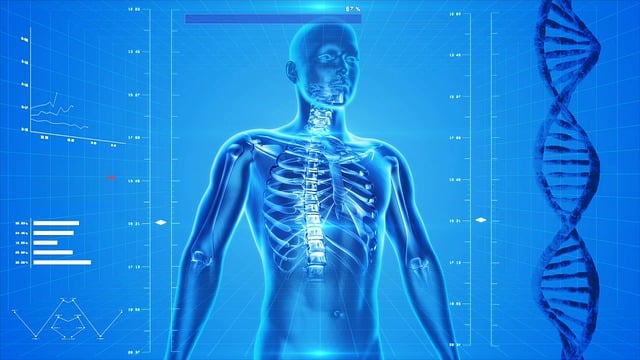
Fluoroscopic x-rays, often referred to as digital motion x-rays, offer a dynamic approach to diagnosing auto accident injuries. Unlike traditional static x-rays, fluoroscopy provides real-time visual feedback, allowing healthcare professionals to capture detailed images of internal structures while patients move or are examined under different angles. This advanced technology is particularly valuable in the context of auto accidents where injuries may be complex and involve soft tissues, bones, and joints.
In the aftermath of a car crash, fluoroscopic x-rays enable doctors to swiftly assess various body regions, including the spine, extremities, and pelvis, for fractures, dislocations, or sprains. The ability to visualize these areas in motion helps identify subtle abnormalities that might be overlooked with conventional imaging methods. Moreover, digital motion x-rays facilitate early detection of internal bleeding, organ shifts, or other critical findings, enabling prompt treatment and potentially improving patient outcomes in auto injury cases.
Digital Motion X-rays: Advancing Car Injury Diagnosis

Digital motion x-rays are transforming the way car accident victims are diagnosed and treated, offering a revolutionary approach to auto injury assessment. Unlike traditional static X-rays that capture a momentary snapshot, digital motion X-rays provide dynamic, real-time imaging, allowing healthcare professionals to observe the intricate movements and mechanics of the body following an accident. This technology enables them to detect subtle injuries that may be missed with conventional methods.
By capturing high-speed sequences of images, digital motion X-rays can analyze the complex physics of a collision, including impact forces, muscle responses, and joint kinematics. This comprehensive data helps in identifying not only broken bones and soft tissue damage but also issues like whiplash, ligament sprains, and nerve compressions. The advanced imaging capabilities facilitate more accurate diagnoses, personalized treatment plans, and improved patient outcomes for car accident victims.
Effective Assessment for Auto Injury Treatment Decisions

In the aftermath of a car accident, accurate and swift assessment is paramount for effective treatment decisions. Fluoroscopic X-ray technology offers a dynamic and detailed view of the human body, making it an invaluable tool for diagnosing auto injuries. This advanced imaging technique captures real-time movements and allows radiologists to identify subtle fractures, dislocations, or soft tissue damage that might be overlooked with traditional static X-rays.
Digital motion X-rays for auto injury diagnosis provide a more comprehensive understanding of the patient's condition, enabling healthcare professionals to tailor treatment plans accordingly. By visualizing joint stability, muscle strain, and internal injuries in motion, these advanced digital imaging techniques enhance diagnostic accuracy and contribute to better outcomes for car accident victims.
Fluoroscopic x-rays, particularly Digital Motion X-rays, have revolutionized the way car accident victims are diagnosed and treated. By providing dynamic images that capture bone and soft tissue movements, these advanced techniques enable healthcare professionals to make more accurate assessments, leading to better treatment decisions for auto injuries. In today's digital era, adopting such innovative technologies is crucial in ensuring folks receive prompt and effective care, ultimately enhancing their road to recovery.